

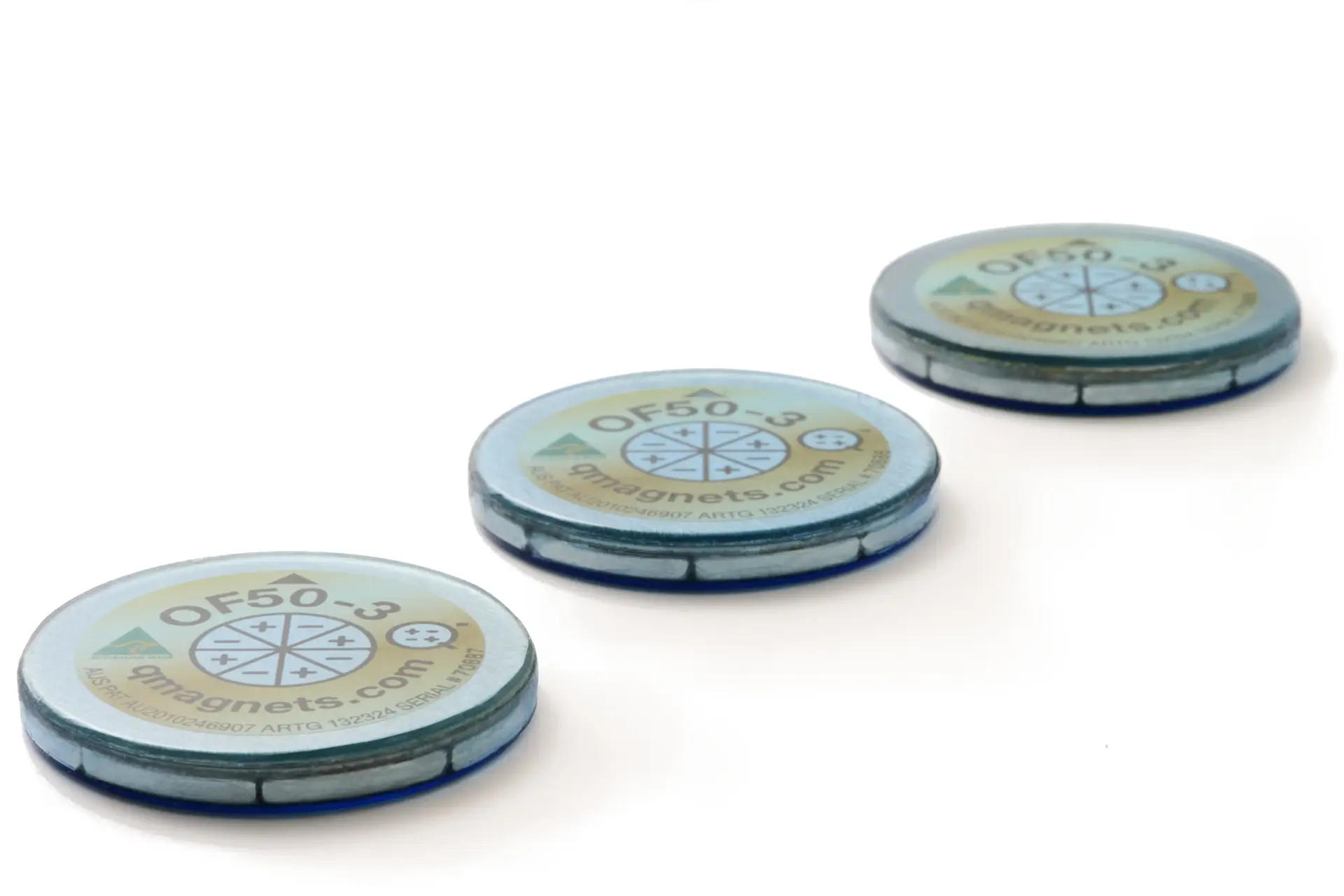
Neodymium magnets are revered for their remarkable strength, diverse applications, and potential benefits in various wellness practices. Whether you’ve encountered them in high-tech gadgets, industrial machinery, or as part of alternative approaches such as Magnetic Therapy or Magnets For Pain Relief, neodymium magnets have an intriguing story that begins in modern metallurgy and expands into many facets of everyday life.
What Are Neodymium Magnets?
Key Points
- Composition: Neodymium magnets are primarily composed of neodymium, iron, and boron, although small amounts of other elements (like dysprosium) may be added to enhance specific properties such as heat resistance.
- Strength: They are considered the strongest commercial permanent magnets available. A small neodymium magnet can produce a magnetic field comparable to much larger traditional magnets like ferrite or alnico.
- Variety: You can find neodymium magnets in many shapes and sizes, including discs, cylinders, rings, cubes, and specialized multipolar designs. Their versatility makes them suitable for applications ranging from consumer electronics to healthcare gadgets.
How Are Neodymium Magnets Made?
Manufacturing neodymium magnets involves a process known as powder metallurgy:
- Melting and Alloying: Neodymium, iron, and boron (and sometimes other additives) are melted together in a vacuum to prevent oxidation.
- Pulverizing: The cooled alloy is then crushed into a fine powder under controlled conditions.
- Pressing and Aligning: The powder is pressed into molds; sometimes a magnetic field is applied to align the particles, maximizing future magnetic strength.
- Sintering and Annealing: The pressed “slug” is heated in a furnace (sintered) to fuse the particles and then gradually cooled in an annealing process to refine its microstructure.
- Magnetizing: Finally, the solid piece is magnetized by exposure to a very powerful magnetic field, orienting the magnetic domains for long-lasting magnetism.
Why Are Neodymium Magnets So Powerful?
The remarkable strength of neodymium magnets comes down to their crystal structure and atomic arrangement, which leads to:
- High Magnetic Energy Density: Compared to conventional magnets, neodymium magnets store more magnetic energy per unit volume.
- High Resistance to Demagnetization: Once properly magnetized, neodymium magnets hold their magnetic fields very well unless exposed to excessively high temperatures, strong opposing magnetic fields, or physical breakage.
- Custom Field Orientations: Multipolar magnets can be designed to produce complex magnetic field patterns. This feature is often utilized in Magnetic Therapy approaches, as specific pole arrangements can yield different localized magnetic effects. one reason they’re so popular as magnets for pain relief.
Neodymium Magnets in Magnetic Therapy
In recent years, there has been growing interest in using neodymium magnets in Magnetic Therapy, a complementary approach where static magnetic fields are applied to specific areas of the body. Advocates of magnetic therapy often point to the potential for reduced discomfort in joints, muscles, or nerves when strong, localized magnetic fields are applied.
Theories Behind Magnetic Therapy
While science is still exploring the exact mechanisms, some believe that:
- Ion and Cellular Interaction: Strong static magnetic fields may interact with charged particles in cells, possibly affecting nerve signal transmission.
- Blood Flow Modulation: Although the effect of static magnets on blood flow is debated, certain evidence suggests they may help stabilize circulation around targeted tissues in cases of inflammation or edema.
Considerations and Cautions
- Evidence: Research on magnetic therapy is mixed; it is not considered a replacement for medical treatment, especially for serious conditions.
- Safety: Always keep neodymium magnets away from pacemakers or other medical implants, as they can interfere with device operation.
- Consultation: For chronic pain or injury, professional guidance from a healthcare provider is crucial before incorporating magnet therapy into your regimen.
For those exploring possible benefits, many people refer to neodymium devices as some of the Best Magnets For Healing due to their compact size and strong magnetic field. Always do your research, combine any complementary practice with standard care, and monitor results closely.
Best Practices for Handling and Safety
Neodymium magnets, while incredibly useful, do require careful handling:
- Pinching and Collision Hazards: Larger or higher-grade neodymium magnets can snap together with surprising force, leading to serious pinches or breakage.
- Keep Out of Reach of Children And Pets: Small neodymium magnets can be a choking hazard, and if multiple magnets are swallowed, it can result in severe internal injuries.
- High Temperatures: Prolonged exposure to high heat can demagnetize neodymium magnets or cause physical damage to their brittle structure.
- Metallic and Electronic Interference: Keep them away from credit cards, magnetic ID badges, computer hard drives, and sensitive lab or medical equipment, as the magnets can erase or disrupt data and calibrations.
- Surface Protection: Some neodymium magnets are plated in nickel or another metal. If scratched, they may corrode in humid environments; storing them properly helps prolong their lifespan.
Choosing the Right Neodymium Magnet
If you’re specifically looking for Best Magnets For Healing, consider the following features:
- Shape and Size: Smaller discs or rectangular magnets are easier to tape in place on the body, but larger ones may produce a more extensive magnetic field.
- Magnetic Polarity Arrangements: Look for specialized multipolar designs if you wish to experiment with or practice Magnetic Therapy. These can create unique field gradients believed to interact with nerves or tissue more effectively.
- Coatings and Casings: High-quality magnets come with protective coatings (like nickel-copper-nickel or epoxy) that reduce corrosion and skin irritation.
Putting It All Together
Neodymium magnets have revolutionized how we think about magnetism in daily life. From powering modern machinery to possibly influencing well-being through Magnetic Therapy, these “small but mighty” magnets captivate engineers, hobbyists, and holistic practitioners alike. If you’re looking into their therapeutic potential, it’s wise to understand the basics, adopt safety measures, and consult professional resources—especially when seeking the Best Magnets For Healing.
- Neodymium magnets are prized for their strength, durability, and versatility.
- Their manufacturing process involves careful handling of powdered metals to produce robust magnetic fields.
- They find use in electronics, industry, household projects, and increasingly in wellness practices like Magnetic Therapy.
- To get the most out of these magnets—especially as Magnets For Pain Relief, familiarize yourself with safe handling and consult professionals as needed.